
Resurrection Over Surrender
Good Friday is not the end of the story. It never was. What the Resurrection demands of conservatives and patriots in 2026.

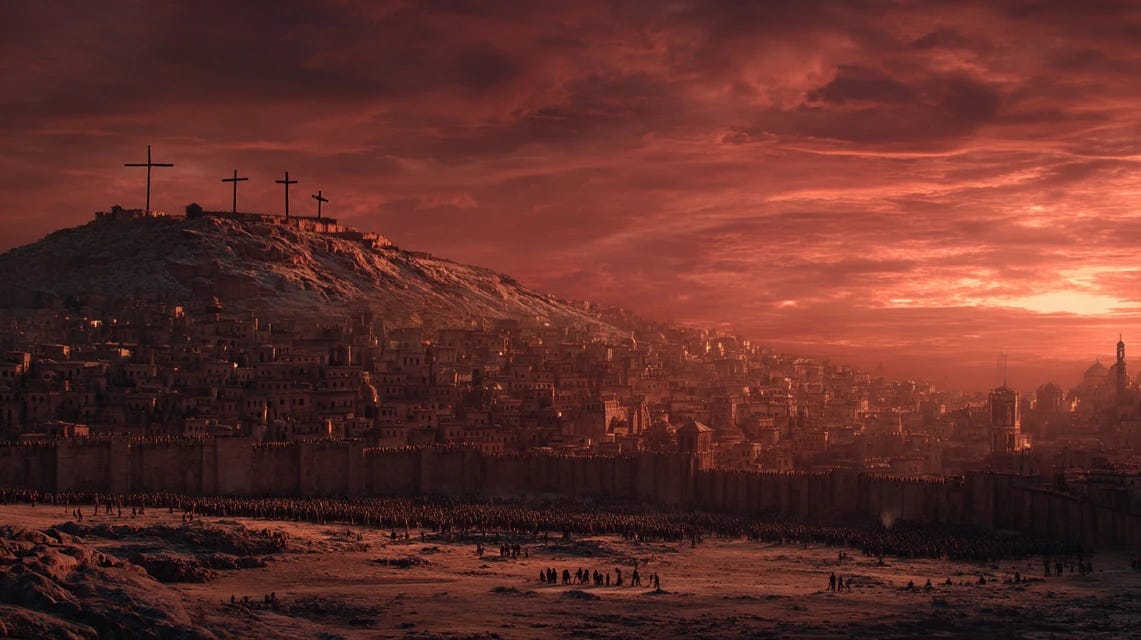
Today is Good Friday. Across this country, Christians are pausing to remember what happened on a hill outside Jerusalem two thousand years ago. A man was tried on fabricated charges before a corrupt political apparatus. He was convicted by a mob energized by institutional leaders who feared losing their grip on power. He was executed publicly, meant as a warning to anyone who dared challenge the established order. And for three days, His followers scattered, afraid and defeated, wondering whether everything they believed had been buried with Him.
That is the part most people rush past on the way to Easter Sunday. Good Friday is uncomfortable. It forces you to sit with the reality that righteousness does not always win in the short term. That truth can be prosecuted. That the crowd can be wrong. That surrender can look, for a season, indistinguishable from defeat.
But Sunday comes.
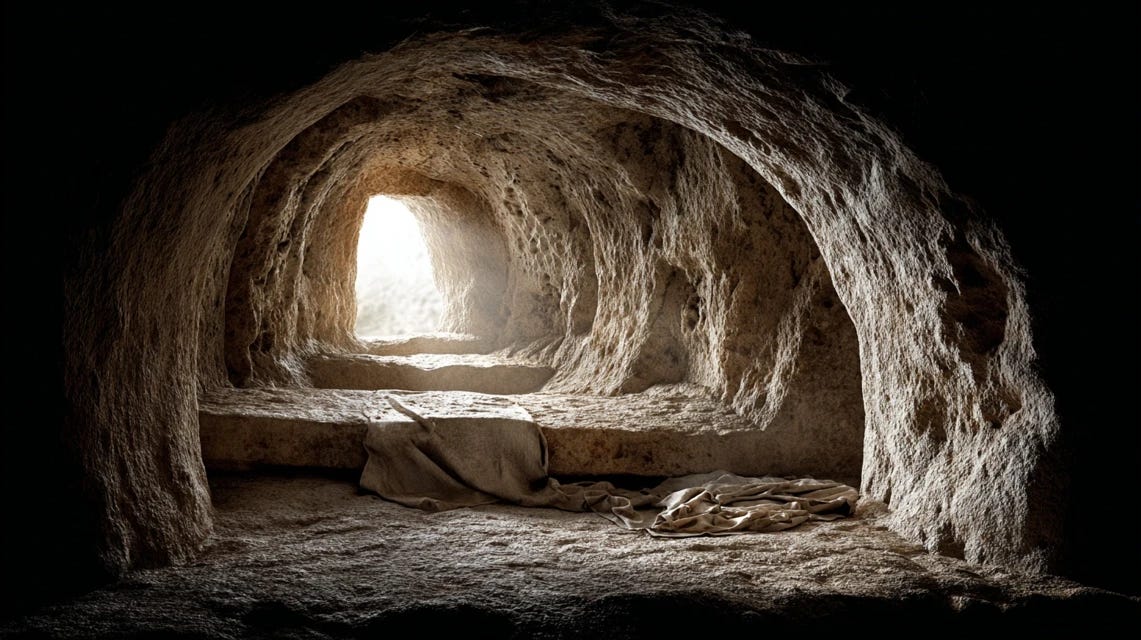
THE RESURRECTION IS NOT A METAPHOR
The Resurrection is not a metaphor. For believers, it is the central historical and theological fact of human existence. Christ did not symbolically rise. He rose. The tomb was empty. And that singular event did not merely change the eternal calculus for those who believe. It established the most radical proposition in human history: that no earthly power, no court, no mob, no government, no grave has the final word.
The Founders understood this better than most modern commentators are willing to acknowledge. John Adams wrote in 1813 that the general principles of Christianity were “as eternal and immutable as the existence and attributes of God,” and that those principles of liberty were “as unalterable as human nature.” George Washington, in his Farewell Address, called religion “a necessary spring of popular government.” Not a useful decoration. A necessary spring. Without it, he argued, the entire architecture of self-governance collapses, because self-governance requires moral men, and moral men require a moral foundation that does not shift with political convenience.
Jefferson wrote that God who gave us life gave us liberty, and asked whether the liberties of a nation could be thought secure when removed from their only firm basis, which he called “a conviction in the minds of the people that these liberties are of the gift of God.” He was not writing theology. He was writing political philosophy grounded in the same recognition Washington expressed. This republic does not sustain itself on procedure alone. It sustains itself on character, and character is downstream of faith.
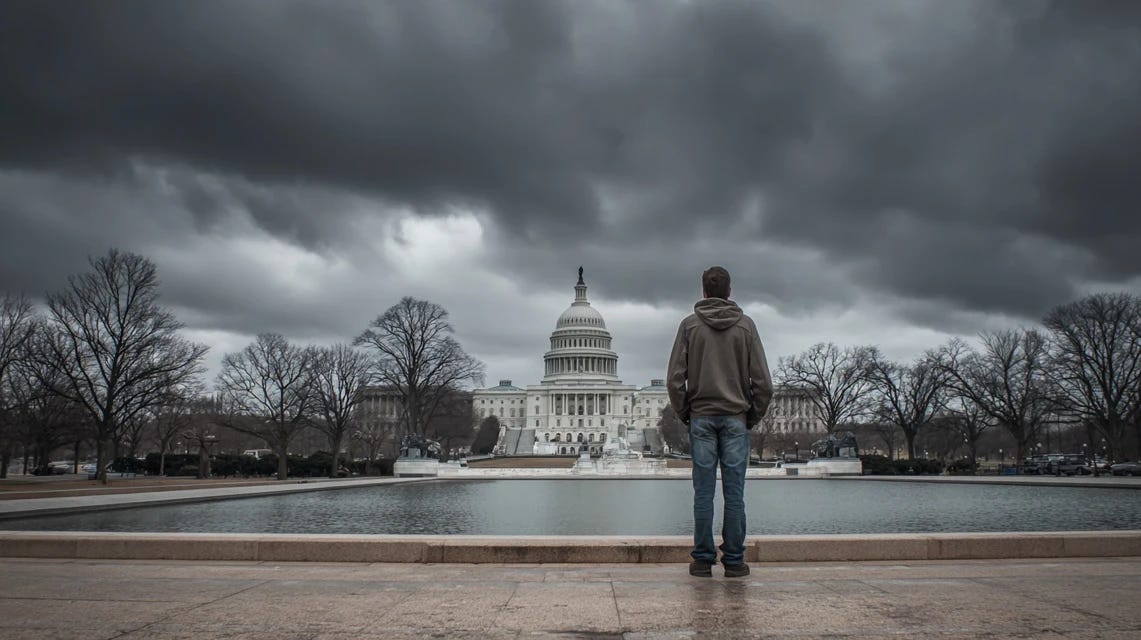
WHAT SATURDAY MORNING LOOKS LIKE IN 2026
This Good Friday, that argument is not academic. It is urgent.
Look honestly at the landscape. The institutional press spent years building a narrative against a man they despised, and when that narrative collapsed, they did not apologize. They repositioned and kept moving. The permanent bureaucratic class resisted an elected president’s constitutional authority not through legislation, not through amendment, but through obstruction, leaks, and lawfare. The academic and entertainment establishment spent a generation teaching young Americans that this country’s founding is a crime rather than an inheritance, that the correct posture toward this republic is guilt and grievance rather than gratitude and defense. The progressive movement has treated the Constitution not as the supreme law of the land but as an obstacle to route around, reinterpret, or ignore whenever it stands in the way.
In that environment, the temptation to surrender is real. Not dramatic surrender with a signed capitulation document and a press conference. The quiet kind. The kind where you stop saying what you believe because the cost has gotten too high. The kind where you convince yourself the institutions are too far gone, the fight is too long, that exhaustion is just wisdom wearing a different name. That surrender is more dangerous than the dramatic kind because it does not announce itself. It disguises itself as realism.
Good Friday speaks directly to that temptation.

THE DISCIPLES ON SATURDAY MORNING
The disciples on the evening of the crucifixion had every rational basis to conclude it was finished. Their leader was dead. The authorities had won. The crowd had spoken. The tomb was sealed with a government stone and guarded by Roman soldiers. If you had surveyed the situation Saturday morning, the evidence pointed one direction, the weight of institutional power pointed one direction, and the apparent reality of the moment pointed one direction.
Every one of those directions was wrong.
The Resurrection did not wait for favorable conditions. It did not wait for the political environment to shift. It did not require permission from the Sanhedrin or ratification from Rome. It happened because the truth it represented was stronger than any power arranged against it. That is not sentiment. That is a model.
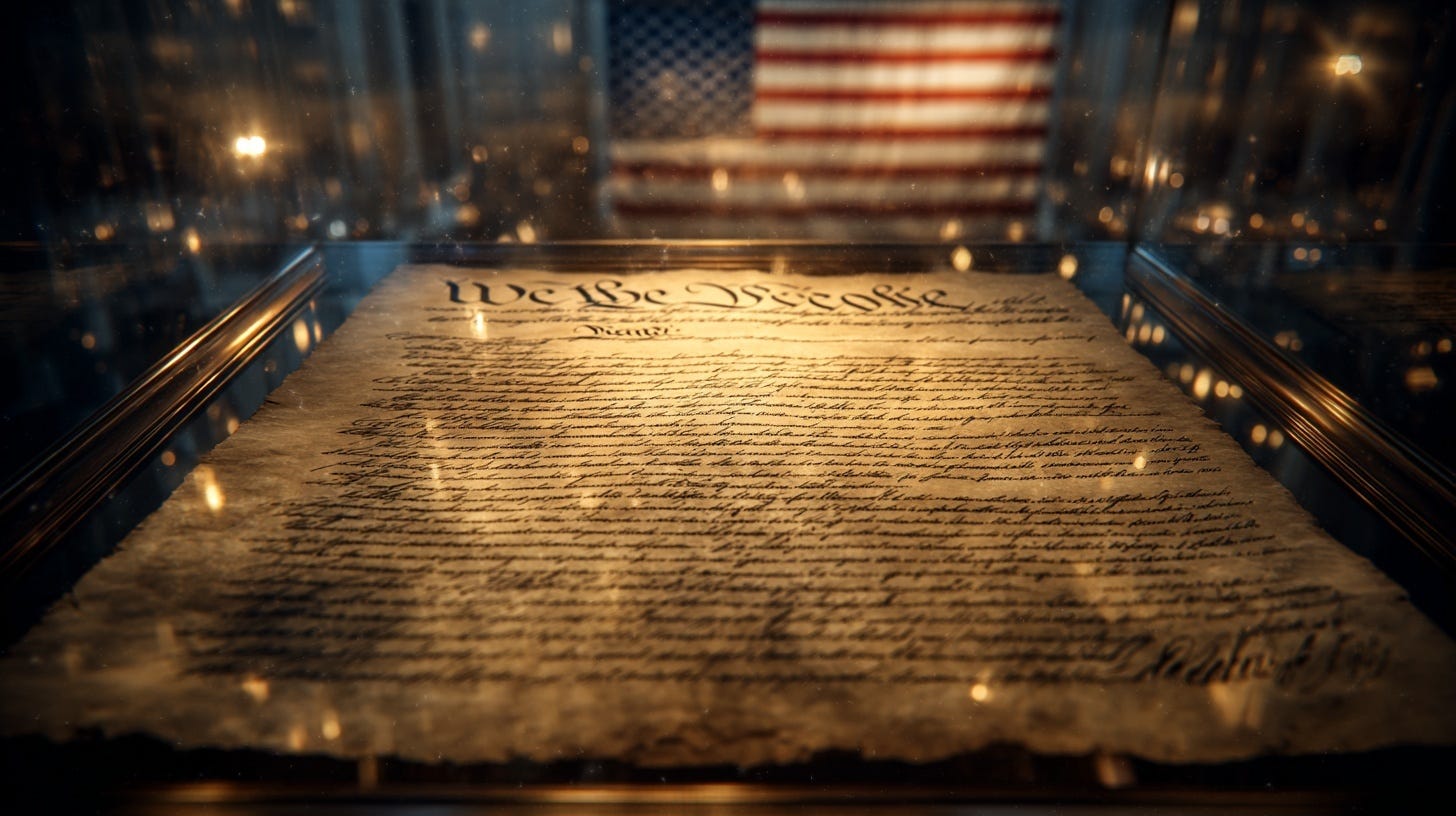
WHAT MADISON BUILT AND WHAT IT REQUIRES
Federalist No. 51 is Madison’s architecture for checking the ambitions of men through institutional design. But it rests on a deeper assumption he never had to make explicit because his audience already shared it. The system he described assumes that citizens will actually fight to preserve it. That they will refuse permanent defeat. That they understand the work of maintaining liberty is not finished in a single generation, a single election, or a single court victory. The Constitution is not self-executing. It requires people who believe it is worth preserving and are willing to pay the cost of preserving it.
That is the assignment this Easter weekend.
The movement that believes in American constitutionalism, in sovereign borders, in parental authority over children’s education, in the free exercise of religion without government interference, in equal justice under law rather than engineered equity of outcome, in the First and Second Amendments as written and ratified, in the proposition that America’s founding was the greatest political achievement in human history and is worth defending, that movement is not finished. It has not been buried in any tomb that will hold.
THE TOMB DOES NOT GET TO MAKE THAT CALL
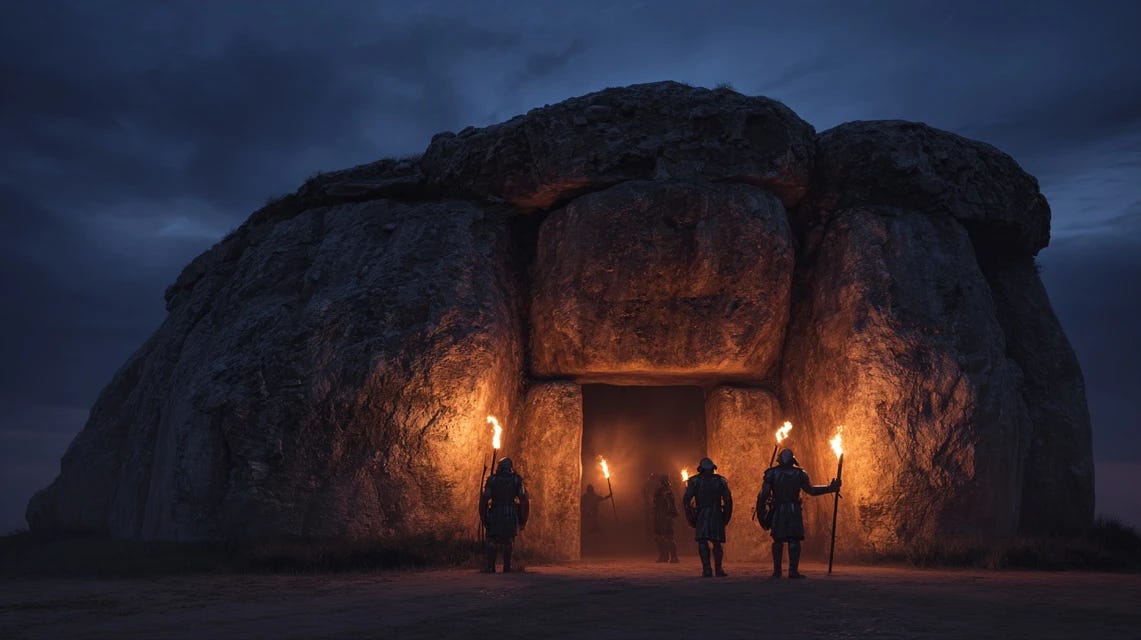
The opposition wants you to believe the cultural momentum is irreversible. That demographic shifts have closed the window. That the press controls the narrative permanently. That the judiciary is captured. That the administrative state cannot be dismantled. That the academy has already written the next generation and the verdict is final. They want you to feel exactly what the disciples felt on Saturday morning. Sealed in. Guarded. Defeated. Waiting for nothing.
They are wrong for the same reason the Romans were wrong. The tomb does not get to make that call.
Adams called it. Jefferson called it. Washington called it. The principles animating this republic are not the inventions of clever men who had a good run. They are, as Adams wrote, eternal and immutable, grounded in something no election result, no court ruling, no press cycle, and no cultural movement can permanently extinguish. These principles have survived before. They will survive again.
STAND FIRM
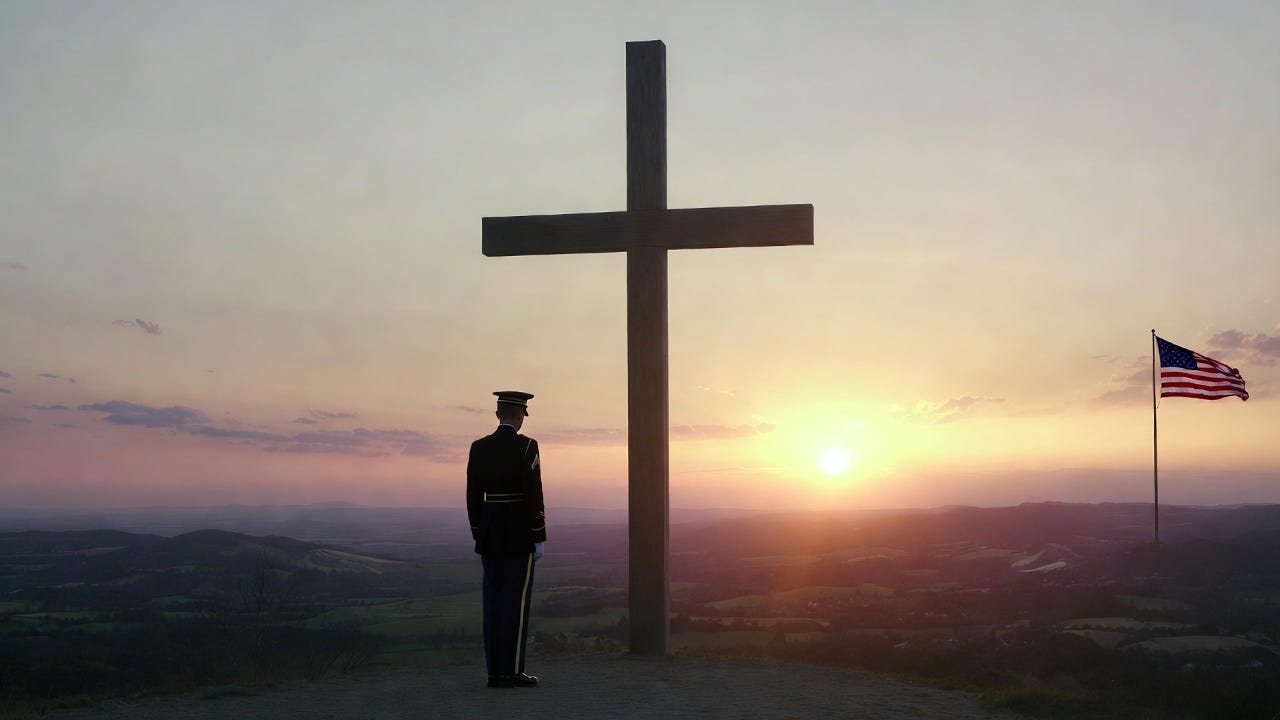
Good Friday is the hardest day in the Christian calendar because it demands that you hold the conviction that justice will prevail when every visible sign says otherwise. That has never been easy. It was not easy for the people who lived it. It has not been easy for any generation asked to hold the line when the line looked indefensible.
But Sunday is coming. It always does.
God bless you and your family this Easter. God bless the men and women who gave their lives for this republic in the same spirit of selfless sacrifice this season honors. God bless every service member deployed and stationed around the world tonight, standing watch so the rest of us can gather freely, worship freely, and fight freely for the country they defend. And God bless the United States of America, a nation whose founding documents, whose very architecture of liberty, rests on the conviction that the Author of Life is also the Author of Freedom, and that neither can be permanently silenced.
Stand firm. The Resurrection is not a historical curiosity. It is the operating instruction for every generation that has ever been told the fight is lost.
It is not lost. It has never been lost. Not in any tomb that a government could seal.

Thank you for reading The Founders' Signal. Every person who reads this publication, shares it with a friend, or supports it financially makes this work possible. You are not just a subscriber. You are part of a community that still believes independent journalism and constitutional accountability matter. That means more than I can put into words. Have a blessed Easter weekend with the people you love.
If this piece moved you today, share it. Send it to a friend who needs to hear it. Post it on your feed. Forward it to your group chat. The Founders' Signal grows one reader at a time, and every share you make is a direct investment in keeping independent conservative journalism alive. Do not keep this one to yourself.
I want to hear from you. What does Easter mean to you this year? What does standing firm look like in your life right now? Drop it in the comments below. I read every single one and I respond. This publication is a conversation, not a broadcast, and your voice belongs in it.
If you want to support The Founders' Signal directly, click the button below. Every contribution goes straight back into the research, sourcing, and production that makes this publication what it is. No corporate underwriters here. Just readers who believe the work matters. If you are one of them, I am grateful.
SOURCES:
FOUNDERS ARCHIVES
John Adams letter to Thomas Jefferson, June 28, 1813, on the principles of Christianity and libertyFOUNDERS ARCHIVES
Thomas Jefferson, Notes on the State of Virginia, Query XVIII, on God, life, and libertyNATIONAL ARCHIVES
George Washington Farewell Address, 1796, on religion as a necessary spring of popular governmentLIBRARY OF CONGRESS
Federalist No. 51, James Madison, on institutional design and the preservation of libertyBIBLE GATEWAY
John 20:1-2, Mary Magdalene at the empty tomb, New International Version